What Exactly Are Soft Skills?
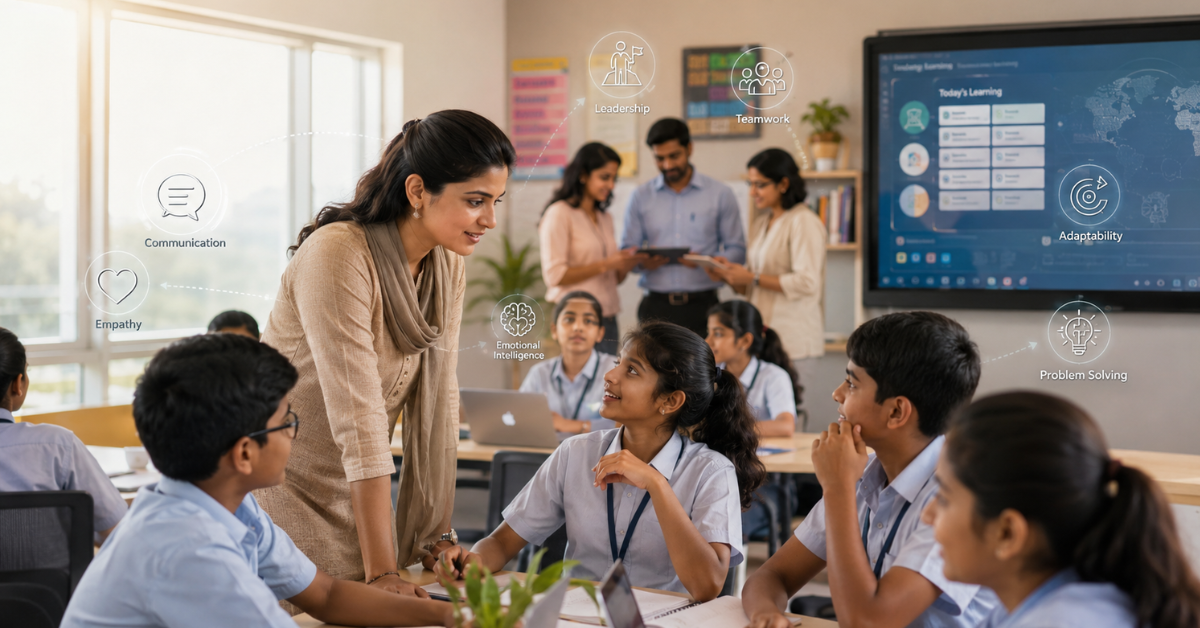
Soft skills are the personal qualities that shape how we interact with others and handle everyday situations. For educators, these include:
Clear communication
Empathy and patience
Adaptability
Teamwork
Leadership
Problem-solving
Emotional intelligence
Time management
These skills help teachers build stronger relationships with students, collaborate with colleagues, and create classrooms where learning feels engaging and inclusive.
Why Schools Are Looking Beyond Degrees
Degrees and certifications will always matter—they show that a teacher has the necessary academic foundation. But hiring managers know that qualifications alone don't guarantee classroom success.
Between two equally qualified candidates, schools will often select the educator who demonstrates stronger interpersonal skills, because those qualities directly influence student learning and the overall school culture.
The Rise of Emotional Intelligence
Education today is about understanding students as individuals. Every classroom includes learners with different personalities, abilities, and challenges.
Teachers who can recognize emotions, respond with empathy, and build trust are better equipped to support student growth. Emotional intelligence also helps educators:
Resolve conflicts calmly
Encourage open communication
Build stronger classroom relationships
Create a safe and supportive learning environment
These are qualities that leave a lasting impression on students and parents alike.
Communication Makes All the Difference
Teaching isn't just about explaining a lesson—it involves connecting with people every single day.
Whether it's giving constructive feedback, leading parent-teacher meetings, or collaborating on lesson plans, strong communication skills make these interactions more meaningful and productive.
In many ways, effective communication is the foundation of successful teaching.
Adaptability Is the New Superpower
Education has changed dramatically in recent years. From online learning and digital classrooms to AI-powered teaching tools, educators are constantly adapting to new technologies and teaching methods.
Schools value teachers who are open to learning, willing to embrace change, and confident enough to try new approaches when needed.
Being adaptable isn't just about keeping up—it's about helping students thrive in a changing world.
How Educators Can Strengthen Their Soft Skills
The good news is that soft skills aren't something you're simply born with—they can be developed over time. Here are a few ways educators can continue growing:
Listen actively to students and colleagues.
Ask for feedback and be open to learning.
Attend workshops on communication and leadership.
Practice public speaking and presentation skills.
Stay curious and embrace new teaching methods.
Reflect on classroom experiences to identify areas for improvement.
Like teaching itself, developing soft skills is an ongoing journey.
Final Thoughts
Degrees may qualify you for a teaching role, but soft skills are what truly make an educator memorable.
In a world where education is becoming more collaborative, student-focused, and technology-driven, the ability to communicate, empathize, adapt, and inspire has never been more valuable.
At EdAssist, we believe great education starts with great educators. That's why we're committed to helping schools connect with professionals who bring both expertise and the human qualities that make a real difference in the classroom.
Weekly newsletter
Get the latest blog updates, practical hiring insights, and featured reads delivered straight to your inbox.
Read about our Privacy Policy.